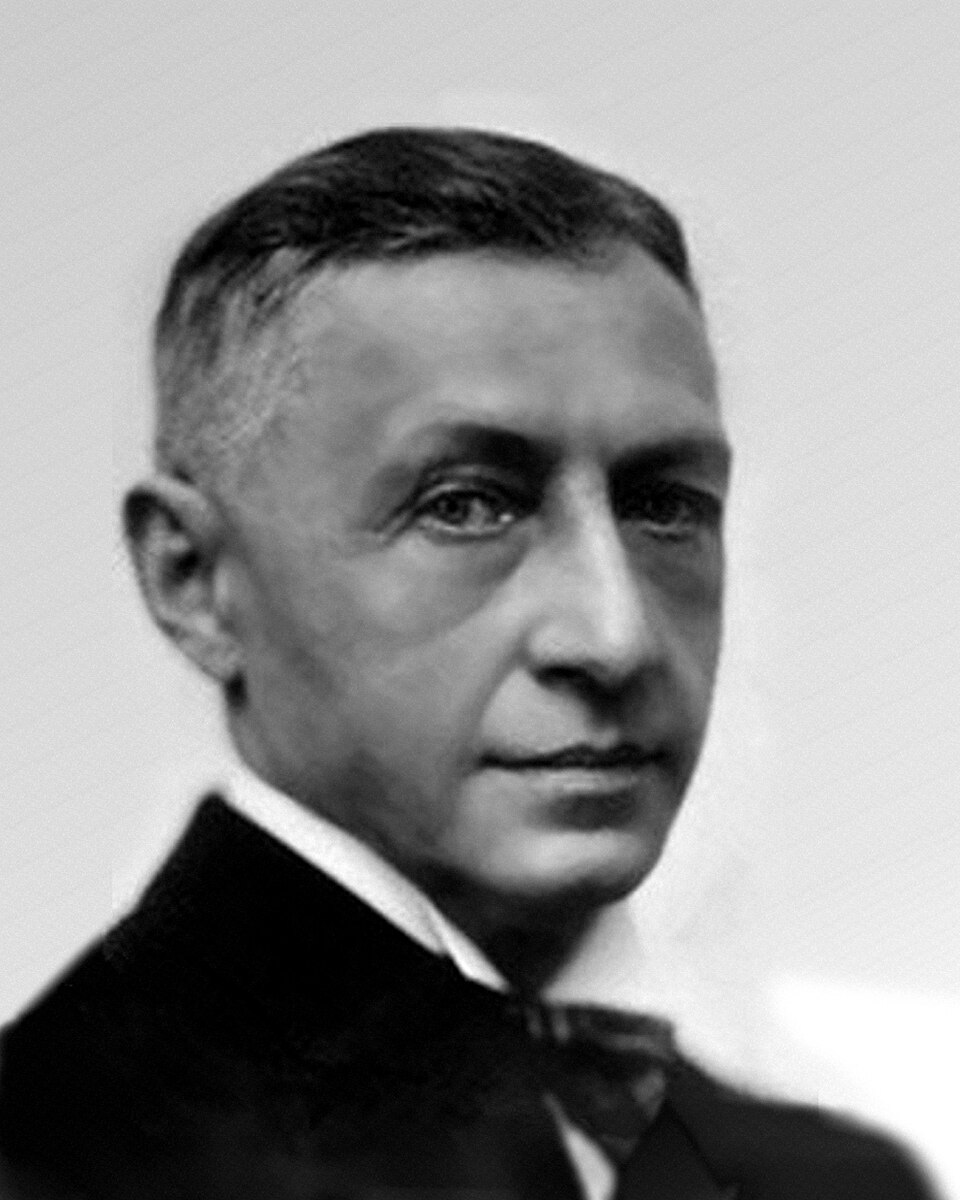
Ivan Bunin - Nobel Prize in Literature, 1933 (27 books) IVAN ALEKSEYEVICH BUNIN (1870–1953) was a Russian novelist and poet. He was the first Russian writer awarded the Nobel Prize in Literature, in 1933 "for following through and developing with chastity and artfulness the traditions of Russian classic prose." The texture of his poems and stories is considered to be one of the richest in the language. He was a revered figure among white emigres, European critics, and many of his fellow writers, who viewed him as a true heir to the tradition of realism in Russian literature established by Tolstoy and Chekhov. Born into a faded noble family in Voronezh, Bunin developed an acute sensitivity to the decay of the old gentry class and the changing face of rural Russia. He earned wide fame in Russia before the 1917 revolution with grim, realistic stories about rural life that shook the contemporary literary scene. He achieved major national fame with his explosive short novel THE VILLAGE (1910), a harsh, uncompromising depiction of provincial ignorance, poverty, and brutality. He deepened this exploration of national decline in DRY VALLEY (1912), a tragic novella tracing the mental and material ruin of a patriarchal family estate. During this highly productive pre-revolutionary period, Bunin also expanded his geographic scope through world travel, producing his most famous international masterpiece, THE GENTLEMAN FROM SAN FRANCISCO (1915), a devastating philosophical critique of Western materialism, industrial hubris, and the inevitability of death. The 1917 Bolshevik coup completely upended Bunin’s life, transforming him into a fierce counter-revolutionary voice and forcing him into permanent European exile by 1920. His immediate reaction to the collapse of his homeland was captured in his ferocious non-fiction wartime diary, CURSED DAYS (1926), which recorded the lawlessness and moral decay of Odessa under Bolshevik rule. Settling in France, Bunin turned to memory as a creative weapon against exile. This resulted in his longest and most ambitious fictional work, the sprawling autobiographical novel THE LIFE OF ARSENIEV (1930), a profound meditation on youth, artistic awakening, and the lost world of pre-revolutionary Russia that directly secured his Nobel Prize win. In his later years, Bunin's fiction became increasingly concentrated on the intoxicating and destructive nature of human passion, culminating in his collection of erotic and tragic stories, DARK AVENUES (1943), which many critics view as the stylistic peak of his career. Alongside this late fiction, Bunin dedicated significant energy to non-fiction literary biography and memoir, seeking to preserve the true legacies of the cultural giants he had personally known. He published THE LIBERATION OF TOLSTOY (1937), a deeply philosophical study that analyzes Leo Tolstoy's spiritual crisis, renunciation of wealth, and final flight from his home. His last complete book, MEMORIES AND PORTRAITS